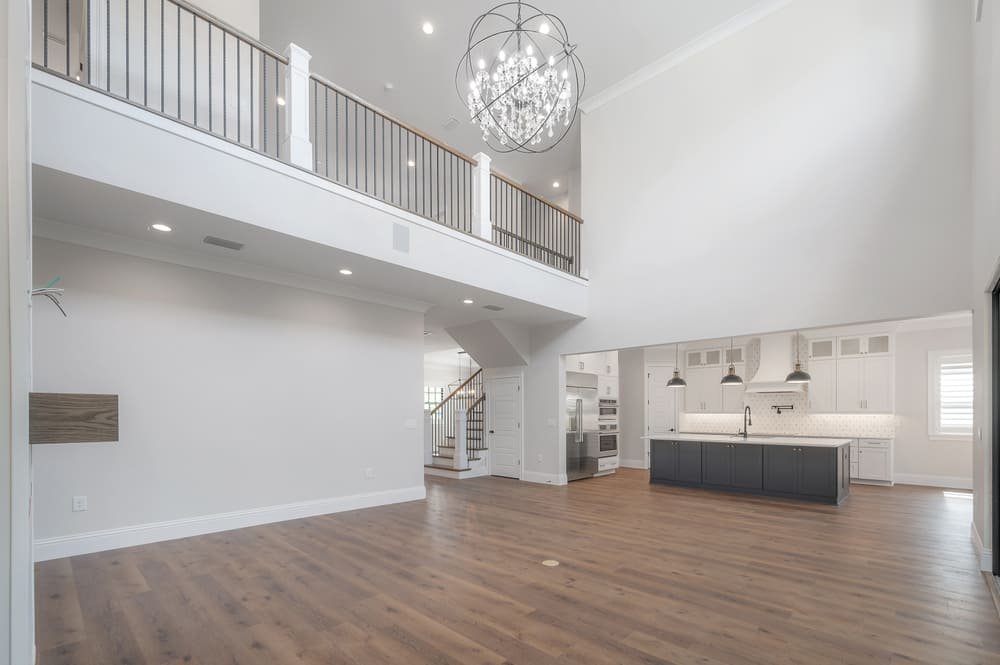
Blog

  • Renovating an Older Home in Seminole Heights: What to Know Before You Start

    Renovating an Older Home in Seminole Heights: What to Know Before You Start

    Short answer: yes. If your Seminole Heights house sits in the local historic district, the city’s Architectural Review Commission has a say over the porch, the roofline, the windows facing the street, and the site. It does not have a say over your kitchen. Certificates of Appropriateness under the city code are required, in the city’s own language, “for exterior changes to the building and site.” A gutted kitchen, a reconfigured bath, rewired circuits, a wall moved to open the floor plan — none of that crosses the desk that approves paint colors and window replacements out front.

    That single distinction is where most of the confusion starts, and it is worth 5 minutes before you call a designer.

    Which Seminole Heights you are actually in

    “Seminole Heights” covers more ground than one designation, and the two that matter here are not the same thing. The Seminole Heights Residential District was listed on the National Register of Historic Places on August 5, 1993, and it is also one of the City of Tampa’s 4 Local Historic Districts — the others are Hyde Park, Tampa Heights, and Ybor City. Its roughly 170 acres run between Osborne, Florida, Hanna, and Cherokee Avenues, holding 325 contributing buildings from the 1912-1928 period, mostly bungalow and craftsman styles with some Gothic Revival mixed in. Only that local designation triggers Architectural Review Commission review.

    Hampton Terrace, another historic district in the Seminole Heights area, is a different story. It has been on the National Register since January 27, 1999, but it was never adopted as a City of Tampa Local Historic District. A National Register listing alone does not carry the Certificate of Appropriateness requirement — no local ordinance, no ARC review. Two houses a few blocks apart can carry genuinely different rules, and the difference is not visible from the sidewalk. Before you assume either way, check which designation your parcel actually carries.

    What the review does and doesn’t reach

    The design guidelines that govern the Seminole Heights local district were adopted by City of Tampa Ordinance #2002-21 on January 3, 2002, and they run under Sections 27-95 and 27-113 of the city code. Read them and the pattern is consistent: massing, materials, window proportions, porches, fences, additions visible from the street. The interior of the house is, as a rule, outside that scope. You can generally move a wall, replumb a bathroom, or open a kitchen to a family room without a Certificate of Appropriateness, because none of it changes what the district was created to protect.

    Where it does apply: new windows on the street-facing elevation, a rear addition that changes the roofline, a detached structure visible from the right-of-way, replacing original siding with something the guidelines don’t recognize. Those go to the ARC before they go to a subcontractor. Confirm the scope with the city’s historic preservation office before you assume a project qualifies as interior-only — an addition that reads as “inside the house” to a homeowner can still touch the roof or the footprint the district reviews.

    What these houses actually need once you’re inside them

    Old Seminole Heights was platted starting around 1911 and 1912 by the Seminole Development Corporation, and the bungalows and craftsman houses that went up over the next 16 years were built to the standards of that era, not this one. That is not a criticism. It is the reason a whole-home renovation on a 1920s bungalow is a different scope of work than the same square footage in a house built in 2005. Wiring from an earlier rewiring pass, single-pane original windows, a pier-and-beam foundation that has settled a little differently under each corner, galvanized or cast iron plumbing at the end of its service life — these show up often enough in a house of this age that we plan for them rather than treat them as surprises.

    Will Daniel built his own family’s home in Seminole Heights, so the questions in this piece are ones he has answered for himself, not just for clients. That does not make every house the same. It means we walk a Seminole Heights renovation the way we would want our own walked: opening a wall or two before pricing the rest, so the systems get addressed as part of the plan instead of as a change order in month three.

    Sequencing the project

    The order that works: confirm which historic designation applies to the address, walk the house to see what the framing, wiring, and plumbing actually look like behind the walls, then design around both. A kitchen or bath remodel that never touches the exterior can usually move straight to design. A whole-home renovation that includes a rear addition or new windows on the front elevation needs the Certificate of Appropriateness step folded into the schedule from the start, not discovered after drawings are finished.

    We wrote separately about which remodeling projects hold their value best in Tampa Bay, which is worth a look once you’re deciding where the budget goes: home remodeling ROI in Tampa Bay. For the older bungalow stock in Seminole Heights specifically, the systems work usually has to happen regardless of which finish-level project you’re chasing.

    What to do next

    Send us the address and what you’re picturing, kitchen, bath, or the whole house. We’ll tell you what’s cosmetic, what’s structural, and whether the exterior scope needs a stop at the Architectural Review Commission before we start. See how the work is scoped on Middle Bay Remodeling, or call (813) 421-9932.

    Middle Bay Homes, CGC1539414, CCC1337297, CRC1332115.
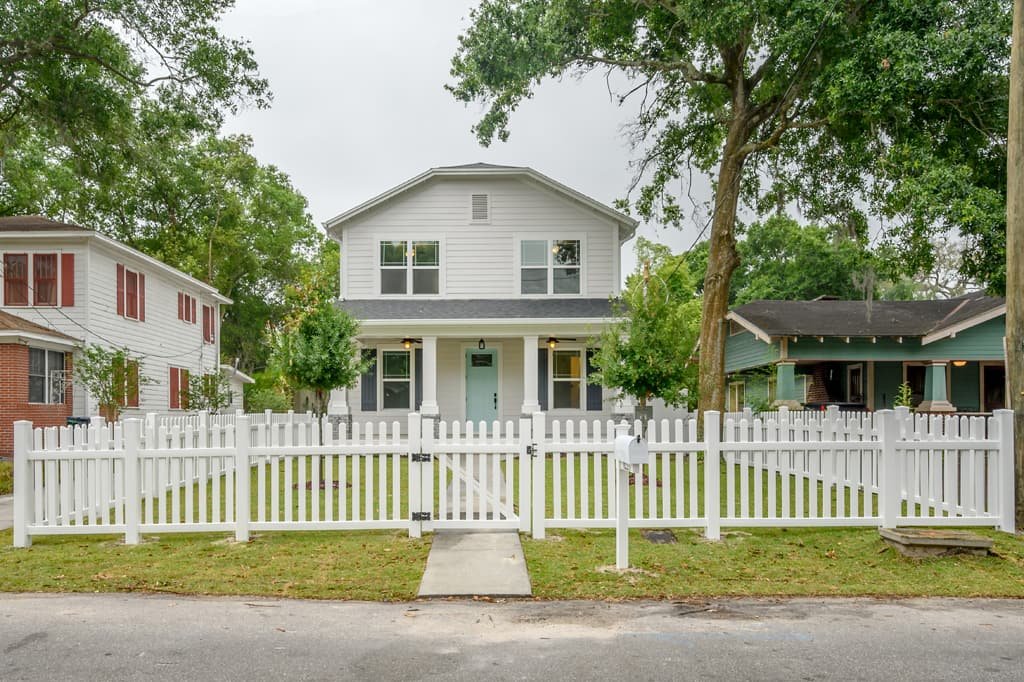
  • What Your Tampa Lot Will Allow You to Build

    What Your Tampa Lot Will Allow You to Build

    If you own a lot in Tampa and you are trying to work out what it will build, the floor plan is the last thing that decides it. The lot decides it. Flood zone and base flood elevation, setbacks and lot coverage, protected trees, where the water and sewer taps sit, and whatever is standing on the property today. Two identical plans on two lots half a mile apart can differ by six figures, and none of that difference is in the house.

    So we walk the property before anyone draws anything. You get the answer before you spend money on design, which is the opposite order from how this usually goes.

    What we look at when we walk your lot

    Flood zone and base flood elevation. This sets your finished floor height, and finished floor height drives the stairs, the driveway slope, the foundation, and how the house meets the street. It is the single input most likely to change what the home looks like from the curb.

    Setbacks, lot coverage, and height. The parcel’s zoning decides the buildable footprint inside your property line, how much of the lot the house can occupy, and how tall it can go. A wide lot and a deep lot with the same acreage do not build the same house.

    Grand trees and protected canopy. In these neighborhoods the trees frequently decide where the house sits. A protected oak in the middle of the buildable area is not a landscaping question. It is a siting question, and it is better answered before the drawings than after.

    Water, sewer, and power. Not just whether they exist, but how far away they are. The cost to reach a tap at the back of a deep lot is real money that never appears on a per-square-foot estimate.

    Soil and grade. Whether the lot needs fill, and whether it needs a different foundation approach than the one you were assuming.

    What is standing there now. If there is an existing structure, demolition is part of the project, including the asbestos survey. We would rather price that in the feasibility stage than hand it to you as a surprise in month two.

    The 50 percent rule decides whether you renovate or rebuild

    Teardown and rebuild is common in South Tampa, Riverside Heights, Tampa Heights, and Seminole Heights, and a lot of people come to us planning a major renovation instead.

    If the property is in a flood zone, that decision may not be yours. Under the federal substantial improvement rule, once the cost of the work reaches 50 percent of the structure’s market value, not counting the land, the whole building has to be brought up to current flood requirements. In practice that usually means raising it. A renovation that was going to cost less than a rebuild stops being cheaper the moment it crosses that line, because you are now paying to renovate and to raise the existing structure.

    This is the answer we chase down first on any property with a house on it, because it changes the entire budget rather than a line in it. It is also the reason a renovation quote and a rebuild quote on the same address are sometimes closer together than anyone expects.

    The two that change the plan most often

    Across the lots we walk, grand trees and flood elevation are the two that move the design more than anything else, and they show up most in South Tampa and Seminole Heights.

    Neither is a problem to solve so much as a constraint to design around. The first floor sitting above grade, with stone-clad piers at the entry, is what the flood map asks for, detailed so it reads as architecture instead of a workaround. A house shifted 12 feet to save a canopy oak is usually the better house anyway. But both have to be known early, because both move the foundation, and the foundation is not the thing you want to revisit.

    The per-square-foot number, and what it will not tell you

    We will give you one. Most people want a number early, and refusing to say anything is its own kind of evasion.

    Ours is all-in per heated square foot, with the garage, the lanai, and the covered porch already inside that number rather than added underneath it. That is worth checking against any other number you are holding. Two builders quoting the same figure can be describing houses that are not close to each other, purely on what each one counts.

    What a per-square-foot number cannot do is price your lot. It assumes a site that behaves. Flood elevation, fill, tree protection, and the run to the utility taps sit outside it, and those are what separate two identical floor plans by six figures before anyone has picked a finish.

    So take it as an anchor and not a quote. Then we walk the land and give you a real budget for the house you described on the lot you own. If the number is not what you hoped, you find that out in a walkthrough rather than in month four. We also wrote about how the rest of it unfolds in the custom home build process in Florida, including why design and permitting runs several months before anything is built.

    If you are still choosing between two lots

    Bring us both, before you close on either one.

    A feasibility walk is cheaper than the wrong lot, and the differences that matter are rarely the ones visible from the street. We have told people to buy the smaller parcel. We have told people the lot they were about to close on would not build the house they had in mind at the budget they had in mind. That conversation is worth more than a brochure.

    What to do next

    Send us the address. We will walk it with you and tell you what it will build, what it will cost, and what the lot is going to make you decide.

    See how we work on build on your lot, or look at what we have finished on new homes.

    Call (813) 421-9932. Middle Bay Homes, CGC1539414, CCC1337297, CRC1332115.

  • What Siding Replacement Costs in Tampa (And What Moves the Number)

    Most Tampa homeowners asking what siding replacement costs want a number before they want a conversation. Here is ours: a full fiber cement replacement on a typical Tampa home runs $18,000 to $22,000. The same house in vinyl runs $12,000 to $15,000. Fiber cement costs 30 to 50 percent more, and it lasts 30 to 50 years here instead of 15 to 20.

    Those are real ranges from real Tampa jobs, not a national average pulled off a calculator. But the range is wide for a reason, and the reason is the part worth understanding before you take a bid. What separates an $18,000 job from a $22,000 job on two houses of the same size is almost never the siding. It is what the siding was hiding.

    What the number actually covers

    A siding replacement quote should include tear-off and disposal, the weather-resistive barrier, flashing, the siding itself, trim, soffit, fascia, caulk, paint if the product is not pre-finished, the permit, and the inspection. If a quote is missing a line for flashing or permitting, it is not cheaper. It is incomplete, and the difference shows up later as a change order or as water in a wall.

    Florida requires exterior cladding work to be permitted and inspected. A contractor who offers to skip that is telling you how the rest of the job will go.

    The five things that actually move the price

    Wall area, not square footage. A 2,200 square foot single-story ranch in Seminole Heights has less wall to cover than a 2,200 square foot two-story in South Tampa. Two stories also means staging and more labor hours on every board. Price tracks the walls, not the floor plan.

    What is under the old siding. This is the single biggest swing. On older Tampa homes we regularly open a wall and find sheathing that has been wet for years, usually below a window or where a roof dies into a wall. Rotted sheathing has to be replaced. On a house with real moisture damage, that can add a few thousand dollars, and there is no way to know the exact number until the wall is open.

    Trim and detail. Gables, dormers, wraparound porches, shutters, and decorative brackets all take cutting and fitting that a plain rectangle does not. The Woodlawn in Riverside Heights has a wraparound porch and deep shutters. That is more hours than the same wall area on a simple box.

    Whether the windows come out. More on this below, but replacing windows during a siding job costs meaningfully less than replacing them as a separate project later.

    Product line. Hardie lap, board and batten, shingle panel, and the trim package you pair with them are not priced the same. Pre-finished ColorPlus costs more up front than field-painted and carries a 15-year limited warranty against peeling and cracking.

    Why the cheapest bid is usually cheapest

    When one bid comes in well under the others on the same house, it is almost always one of four things: the crew is not pulling a permit, the quote assumes no sheathing repair, the flashing details are not in the scope, or the product is HZ5.

    That last one matters in a way most homeowners never hear about. James Hardie makes two climate lines. HZ10 is engineered for hot, humid, coastal conditions, and it is the only one approved for use in Florida. HZ5 on a Florida wall voids the warranty. It looks identical on the truck. Every board we hang is HZ10.

    We are a James Hardie Alliance SELECT contractor, which is the tier Hardie gives installers it has vetted on how they hang the product rather than on how much of it they buy. Fiber cement fails at the details: fastener depth, clearances, joint treatment, flashing. Those are exactly what the Alliance program checks.

    If you are still deciding between materials rather than pricing a job, we wrote a longer comparison of fiber cement siding vs vinyl siding in Florida.

    The cheapest time to replace your windows

    If your windows are more than 15 years old, or the seals have failed and they fog in the morning, replace them while the siding is off.

    The wall is already open. The trim is already coming off. Pans and flashing at every opening are already part of the scope. Doing windows as a separate job later means paying to open that wall a second time, and it means somebody has to cut into siding that is only a few years old. A full impact window replacement on a typical Tampa home with 15 to 20 windows runs $15,000 to $35,000 on its own. Folded into a siding job, the labor overlap is real.

    There is a second reason to think about it now. Florida homeowners insurance has been difficult for several years, and impact-rated glass often earns a windstorm discount. Check with your carrier, because the number varies, but it is worth the phone call before you decide. We went deeper on impact ratings, low-E coatings, and what separates a sound window installation from a leaky one in window and siding replacement in Tampa.

    How we price a siding job

    We walk the house before we put a number on paper. We are looking at the obvious things, the fading, the cracked caulk, the warped boards, and we are looking harder at the places water gets in: under windows, at the roof-to-wall transitions, at the bottom course where the siding meets grade.

    Then we tell you what we expect to find behind the siding and what it would cost if we do. We would rather price that accurately in the walkthrough than hand you a surprise two weeks into the job. That is the part homeowners remember, and it is why Tampa realtors send us their clients.

    One honest limit: we are set up for whole-envelope work, where the siding, trim, flashing, and often the windows get handled together. A single wall or a patch repair is usually better served by a smaller shop, and we will tell you that rather than take the job.

    What to do next

    If your siding is fading, warping, or cracking, or you have caulk pulling away from the window frames, the number you want is specific to your house and nobody can give it to you over the phone with any honesty.

    Send us the address and what the exterior is doing. We will walk it with you and tell you straight what it needs, what it costs, and whether we are the right people for it. See what siding and window replacement looks like with us. We serve South Tampa, Riverside Heights, Tampa Heights, and Seminole Heights.

    Call (813) 421-9932. Middle Bay Homes, CGC1539414, CCC1337297, CRC1332115.

  • How to Find a Contractor in Tampa Bay You Can Actually Trust

    Most People Find Out Too Late

    By the time a homeowner calls us after a bad contractor experience, the story is almost always the same. The project started well. The contractor seemed professional, communicated regularly for the first few weeks, then gradually became harder to reach. Timelines slipped. Excuses multiplied. Work that was paid for did not happen. Or it happened wrong.

    Sometimes there is real financial damage. Sometimes it is just months of stress and a result that required a second contractor to come in and fix the first one’s work. Either way, the pattern is consistent enough that we have stopped being surprised by it.

    We are Middle Bay Homes, and Cory and William have been building in Tampa Bay for a combined 50 years. We are biased, obviously. But that experience also means we know what this market looks like from the inside. And we think Tampa Bay homeowners deserve a clearer guide to finding a contractor they can actually trust before the project starts, not after.

    The License Question Is Not Optional

    Florida has one of the most structured contractor licensing systems in the country. There are reasons for that. Start here, before any other vetting step.

    A Certified General Contractor license, the CGC designation, is Florida’s highest residential contractor classification. It requires a state examination, proof of financial responsibility, workers’ compensation coverage, and continuing education. It is not a business registration or a local permit. It is a meaningful credential.

    You can verify any contractor’s license status in minutes through the Florida Department of Business and Professional Regulation’s license lookup tool. Type in the contractor’s name or license number and you will see whether the license is active, whether there are any disciplinary actions on record, and what the license covers.

    Do this. Every time. A contractor who balks at being asked for a license number is telling you something important.

    Insurance is the second part of this. General liability and workers’ compensation are both required. Ask for certificates of insurance, not just a verbal confirmation. Call the carrier if you want to verify the policy is active. It takes five minutes and it is worth it.

    What a Realtor Referral Actually Tells You

    Here is something worth understanding about the Tampa Bay market specifically. Real estate agents are among the most rigorous vetting filters for contractors in this area, and they rarely get credit for it.

    A realtor who refers a contractor is putting their professional reputation on the line with every single referral. Their clients trust them. If the contractor is unreliable, unprofessional, or produces substandard work, the realtor hears about it. Directly. Loudly. Repeatedly.

    This means that contractors who consistently receive realtor referrals have passed a vetting process that is more demanding than most online review platforms. The realtor has seen the work, heard from clients who used the contractor, and made a judgment call about whether they are willing to attach their name to the recommendation.

    We are proud that Tampa Bay realtors trust Middle Bay with their clients. That trust is not something we asked for or marketed our way into. It developed over years of doing what we said we would do, communicating honestly about timelines and costs, and delivering homes and remodels that reflected the quality our clients were promised.

    When you are researching contractors in Tampa Bay, ask your realtor who they trust. And ask them why. The answer will tell you more than a hundred online reviews.

    Red Flags That Are Not Always Obvious

    Some warning signs are well-known: no license, asking for full payment upfront, no written contract. But there are subtler signals that experienced homeowners miss too.

    Vague contracts are a significant one. A contract that describes work as “bathroom remodel” without specifying materials, fixtures, square footage, finish level, or subcontractor qualifications is not a contract. It is a piece of paper that protects the contractor and not you. Every scope item should be specific enough that a third party could read the contract and understand exactly what was agreed to.

    Another one: the contractor who never says no. A trustworthy contractor will tell you when a timeline is unrealistic, when a material choice is a bad fit for your climate, or when the budget you have in mind does not match the outcome you are describing. Contractors who agree with everything you say are not necessarily agreeable. They may just be telling you what you want to hear to win the job.

    Watch how they communicate before the contract is signed. That communication pattern is the one you will live with during the project. If they are slow to respond to calls, vague about scheduling, or inconsistent about follow-up during the sales process, it will be worse once they have your deposit.

    What Accountability Actually Looks Like

    There is a meaningful difference between a large company with multiple project managers rotating through your job and a founder-led business where the principals are personally accountable for every outcome.

    At Middle Bay Homes, Cory Frier and William Daniel are not figureheads. They are builders. When you hire us, you are hiring people who have their names on the business, their reputations tied to the work, and their community relationships at stake in every project they take on. That is not true of every contractor you will talk to in Tampa Bay.

    The National Association of the Remodeling Industry offers useful guidance on contractor selection criteria and what professional standards look like in the remodeling space. It is worth reviewing before you start interviewing contractors for a significant project.

    Finding a Trusted Contractor in Tampa Bay: The Short Version

    Verify the CGC license. Check insurance certificates. Ask your realtor for referrals and understand why they trust who they trust. Read contracts carefully and reject vague scopes. Pay attention to communication patterns before the contract is signed. And look for contractors whose principals are personally named, locally invested, and professionally accountable.

    If you are working on a remodeling project, a new construction build, or just trying to figure out what your options are in South Tampa, Riverside Heights, Tampa Heights, or Seminole Heights, we are happy to be part of that conversation.

    You can learn more about how we work and the services we offer at middlebayconstruction.com, or just call us directly. No pitch. No pressure. Just two builders who have spent a combined 50 years earning trust in this market and want to help you make a good decision.

  • Fiber Cement Siding vs Vinyl Siding in Florida: What Tampa Homeowners Need to Know

    The Siding Question Comes Down to Florida’s Climate

    Siding decisions that make perfect sense in the Pacific Northwest or the upper Midwest do not always translate to Tampa. Florida’s combination of intense UV exposure, high humidity, seasonal heavy rain, salt air near the coast, and the ever-present possibility of hurricane-force winds creates a set of performance demands that most siding products were not designed for first.

    When homeowners in Tampa Heights or Seminole Heights come to us about a siding replacement, they almost always start with one of two options: fiber cement or vinyl. Both are valid. Both have real limitations. And the right choice depends on factors that a quick Google search is not going to fully sort out for you.

    We install siding as part of our Middle Bay Homes work, and we have had this comparison conversation many, many times. Here is the honest version of it.

    What Fiber Cement Siding Actually Is

    Fiber cement is a composite material made from Portland cement, sand, and cellulose fibers. James Hardie is the brand name most people recognize, and for good reason: their products dominate the premium fiber cement market and they have specific product lines engineered for high-humidity climates, including Florida.

    The material is dense. It is heavy. A full siding replacement with fiber cement requires experienced installation crews because the weight and rigidity of the panels demand precise handling and proper fastening. Done right, the finished product looks exceptional, and it holds that appearance for a long time.

    Fiber cement does not rot. It does not warp from humidity. It is not attractive to termites, which is a real consideration in Tampa. It is rated for impact resistance in ways that vinyl simply is not, which matters both for storm performance and for the small everyday impacts from lawn equipment, kids, and general life.

    The paint finish is factory-applied and penetrating, not surface-level. According to James Hardie’s technical specifications, their ColorPlus finish carries a 15-year limited warranty against peeling and cracking, which is a significant advantage over vinyl’s tendency to fade and become brittle under prolonged UV exposure.

    What Vinyl Siding Actually Is

    Vinyl is extruded PVC plastic formed into lap or panel profiles. It is lighter than fiber cement, easier to install, and considerably less expensive. For a long time it was the default choice for budget-conscious residential exterior work, and it is still the most widely installed siding type in the United States.

    In moderate climates, vinyl performs reasonably well. But Florida is not a moderate climate.

    Here is what we see consistently on older vinyl installations in Tampa Bay. The UV exposure here is relentless, and over time it causes the material to fade unevenly and become brittle. Brittle vinyl siding cracks. It is also prone to buckling and warping when temperatures cycle dramatically, which they do in Florida, especially in summer months when afternoon storms drop the temperature by 20 degrees in 20 minutes.

    Vinyl is also not rated for the wind loads that fiber cement can achieve. In a market where the Florida Building Code’s wind speed requirements are a real consideration, that gap matters. A major storm that leaves fiber cement largely intact can do real visible damage to vinyl panels.

    That said. Vinyl has improved significantly in the last decade. Thicker gauges, better UV inhibitors, and improved profile designs have addressed some of the historic weak points. Premium vinyl in the right application is not a bad product. It is just not the right product for every Tampa home.

    The Cost Comparison in Real Numbers

    Fiber cement is more expensive. There is no way around that.

    For a typical Tampa home siding replacement, fiber cement installed by a qualified contractor generally runs 30 to 50 percent more than a comparable vinyl installation. The material itself costs more, and the installation takes longer due to weight and precision requirements. A project that might run $12,000 to $15,000 in vinyl could be $18,000 to $22,000 in fiber cement, depending on home size and complexity.

    But the useful life comparison shifts that math. Properly maintained fiber cement siding on a Florida home has a realistic service life of 30 to 50 years. Vinyl, under Florida conditions, often looks tired and requires replacement in 15 to 20 years. Over a 40-year ownership horizon, the total cost of ownership for fiber cement is frequently lower.

    There is also resale value to consider. Tampa Bay buyers in the South Tampa and Riverside Heights price ranges notice exterior finishes. Fiber cement reads as premium. Vinyl reads as standard. That distinction shows up in appraisals and in buyer perception.

    When Vinyl Still Makes Sense

    I want to be honest about this because I think the answer is not always fiber cement.

    If budget is a genuine constraint, premium vinyl installed correctly by a quality contractor is a real option, especially on a home where you are planning to sell within 10 years rather than hold long-term. The upfront savings are real, and a fresh, well-installed vinyl exterior looks good at purchase.

    Vinyl also makes sense in specific situations where the structure or architectural detail makes fiber cement installation logistically complicated, or where the existing substrate requires extensive repair work that changes the overall project economics.

    The Florida Department of Business and Professional Regulation requires all exterior cladding installations to meet state building code standards for wind and moisture resistance. The product choice matters. So does how it goes on.

    The Installation Matters as Much as the Material

    Both fiber cement and vinyl can fail early if installed poorly. The two most common failures we see are moisture intrusion from improper flashing at windows and penetrations, and fastener failures from incorrect nail spacing or depth.

    Fiber cement requires specific fastener types, minimum edge distances, and caulking protocols that are different from vinyl. A crew experienced with vinyl that has not installed fiber cement at volume will make mistakes that are not visible on day one but become visible in year three.

    At Middle Bay Homes, we are licensed CGC builders with 50 years of combined experience across Tampa Bay. Every exterior project we take on is permitted and inspected, and we bring the same standard of care to a siding replacement that we bring to a full custom home build.

    If you are weighing fiber cement siding vs vinyl siding for your Florida home and you want a real conversation about what makes sense for your specific situation, call us. We serve South Tampa, Riverside Heights, Tampa Heights, and Seminole Heights, and we are happy to walk your home with you before you commit to anything.

  • Welcome to the new Middle Bay

    Middle Bay has a new home on the web.

    If you’ve landed here for the first time: we’re a Tampa builder with two ways
    to work with us. Middle Bay Homes designs and builds luxury custom homes in
    South Tampa, Riverside Heights, Tampa Heights, and Seminole Heights. Middle
    Bay Remodeling
    brings the same crew and the same standards to luxury interior
    work — kitchens, bathrooms, and whole-home renovations.

    Today we showcase the work. The
    portfolio now lets you click into each home and walk
    through it photo by photo — the Woodlawn under its oaks in Riverside Heights,
    the San Rafael and its pool in South Tampa, and more.

    Building Easier® isn’t a tagline for us. It’s the operating idea: one team
    from architecture to keys, exact specifications, weekly walk-throughs, and a
    schedule we actually keep.

    Have a lot, a plan, or a kitchen that’s overdue? Let’s talk —
    or call the office at (813) 421-9932.

  • Design. Build. Deliver. Enjoy. — how our process works

    Every Middle Bay project — a custom home or a whole-home renovation — runs on
    the same four-step framework. It exists for one reason: most construction pain
    comes from decisions made too late.

    1. Design

    Architecture, selections, and budget get locked together, before ground
    breaks
    . Not a concept sketch and a handshake — the actual drawings, the
    actual finishes, the actual number. When those three agree up front, the rest
    of the project stops being a negotiation.

    2. Build

    One dedicated team runs your project, and you walk the site with us weekly.
    Trade language is welcome on our walk-throughs — if you want to know what
    kickout flashing is or why we sheathe the way we do, ask. You'll get a
    craftsman's answer, not a brochure's.

    3. Deliver

    The finished home matches the drawings — on the date we said. That sentence is
    the whole point of steps one and two.

    4. Enjoy

    We're a Tampa company and we stay in the neighborhood. Warranty and support
    come from the same people who built the house, with our names and license on
    it.

    Want to see what the framework produces? Walk through the portfolio,
    or start the conversation.

  • Are Impact Windows Worth It in Tampa? Here Is What We Tell Our Clients

    June in Tampa Has a Way of Focusing the Mind

    Every June, the conversation shifts. Hurricane season starts June 1st, the forecast models start showing up on the local news, and homeowners who have been putting off the window question for two or three years suddenly feel a real urgency about it. We get more calls about impact windows in June than in any other month.

    So let me answer the question directly, the way I would answer it if you asked me over coffee: yes, impact windows are worth it in Tampa. But the reasons why are more interesting and more varied than most people realize. And the decision is not as simple as just comparing the upfront cost to the potential storm damage you might avoid.

    We install windows as part of our Middle Bay Homes services, and we have had this conversation with a lot of Tampa Bay homeowners. Here is what actually comes up.

    What Impact Windows Actually Do

    Let’s get specific. Impact-resistant windows are constructed with a laminated glass design: two panes bonded with a tough polymer interlayer. When struck, the glass may crack but it does not shatter into the interior. That matters enormously during a hurricane because it is not just flying debris that threatens your home. It is the pressure change that occurs when a window fails and wind enters the structure. That pressure is what lifts roofs.

    Standard single-pane or even double-pane non-impact windows are not designed for that load. A category 2 storm can generate wind gusts well above 100 mph, and the National Hurricane Center’s data on wind pressure makes clear that most conventional residential glazing is not rated for those conditions.

    Impact windows certified to Florida’s standards under the Florida Building Code are tested to withstand large-missile impacts at 50 feet per second, as well as sustained wind loads. That is a fundamentally different product.

    But here is what I tell clients who only think about hurricanes: storm protection is maybe the third most day-to-day noticeable benefit of impact windows in Tampa.

    The Benefits You Will Notice Every Single Day

    Noise reduction is dramatic. Tampa is a city. Planes, traffic, lawn equipment, the neighbors. Impact glass’s laminated construction reduces exterior noise in a way that standard double-pane windows simply do not match. Clients who have made the switch consistently tell us they notice the quiet before they notice anything else. Several have said it felt like they moved to a different neighborhood without going anywhere.

    Energy efficiency is real and measurable. Florida summers are brutal on cooling costs. Impact windows offer low-emissivity coatings that reduce solar heat gain, which directly reduces the load on your HVAC system. The U.S. Department of Energy estimates that heat gain and loss through windows accounts for 25 to 30 percent of residential heating and cooling energy use. Upgrading to high-performance impact glazing is one of the more direct ways to move that number.

    And then there is insurance. Florida homeowners’ insurance has been in a difficult place for several years now. Carriers have left the market, premiums have climbed, and finding coverage at a reasonable rate is harder than it was. In many cases, upgrading to impact windows earns a meaningful discount on your windstorm premium. The specific savings vary by carrier and coverage structure, so talk to your insurer. But we have seen clients recoup a noticeable portion of the window investment through annual premium reductions over time.

    What Does It Actually Cost in Tampa

    I am going to give you real numbers, not a range so wide it is useless.

    For a typical Tampa home with 15 to 20 windows, a full impact window replacement project generally runs somewhere between $15,000 and $35,000 depending on window size, frame material, and the complexity of the installation. Custom shapes, larger openings, and premium frame finishes push the number up. Standard rectangular windows in a straightforward installation are at the lower end.

    That is not a small investment. But compare it to the cost of storm shutter installation, which requires manual deployment and does nothing for your noise or energy costs year-round. Or compare it to the cost of replacing a roof and repairing interior water damage after a pressure failure during a storm. The math changes quickly.

    We can walk through the numbers specific to your home as part of a remodeling assessment. There is no obligation and no estimate that arrives with pressure attached.

    What to Watch Out For With Window Contractors in Tampa

    This is something I feel strongly about, because we have seen the results of bad window installations on homes we have later been brought in to work on.

    The window itself is only part of the equation. How it is installed determines whether it actually performs to its rated specification. A poorly flashed window installation creates water intrusion paths that standard inspection schedules will miss for years. By the time you find it, the damage is inside the wall cavity.

    Florida requires that impact window installations be permitted and inspected. Anyone telling you they can do the work without pulling permits is telling you something important about how they operate. At Middle Bay Homes, every window installation we do is fully permitted, installed by experienced crews, and inspected. Our CGC license is on the line with every job. That is not a throwaway line.

    So, Are Impact Windows Worth It in Tampa?

    Yes. For most Tampa Bay homeowners, the combination of storm protection, daily noise reduction, energy savings, and insurance benefit makes a compelling case. The investment is real, but so is the return.

    The decision is most clear-cut if you are already considering replacing aging windows anyway, if your current windows are single-pane or showing seal failure, or if you are in a neighborhood with significant ambient noise or heavy summer sun exposure.

    If you are on the fence, start with a conversation. We do remodeling assessments for homeowners in South Tampa, Riverside Heights, Tampa Heights, and Seminole Heights, and we are happy to tell you honestly what the project would look like for your specific home, what it would cost, and what you can realistically expect to get back from it. Call us or reach out through our website to get started.

  • Why Riverside Heights Deserves a Custom Home Builder Who Actually Knows the Neighborhood

    Riverside Heights Is Not a Blank Slate

    There is a specific feeling you get when you walk down a street in Riverside Heights. The bungalows. The mature oak canopy. The mix of carefully preserved originals and thoughtfully updated homes sitting side by side without either one looking out of place. It is a neighborhood with a personality, and that personality is not accidental.

    We have built in Riverside Heights, and the first thing we tell every client who comes to us with a lot here is simple: the neighborhood will talk back to you. Build something that ignores its context and you will know it. You will feel it every time you pull into the driveway.

    That is why when someone searches for a custom home builder in Riverside Heights, Tampa, what they really need is not just a licensed contractor with a good portfolio. They need someone who has spent real time in this neighborhood, understands its setback requirements and historic context, and cares enough about the final result to let the surroundings shape the design.

    That is what we do at Middle Bay Homes.

    What Makes Riverside Heights Different to Build In

    Riverside Heights sits just north of downtown Tampa, and its character comes directly from that geography. Lots tend to be narrower than newer suburban developments. Tree canopy is protected. Neighbors are invested, often vocal, and deeply proud of what their street looks like. That is a feature, not a problem.

    But it does mean that building here requires a different kind of attention. Lot constraints shape floor plans in ways that require creative thinking at the design stage, not the framing stage. Mature root systems demand careful site preparation. And the aesthetic expectations from the surrounding homes set a high bar for exterior finishes, rooflines, and proportions.

    We have seen builders come into Riverside Heights with a plan that works perfectly in Lutz or Wesley Chapel and try to drop it onto a 50-foot lot on Hanna Avenue. The result is always the same: something that looks borrowed from a different zip code.

    When Cory and William are on a job site here, they are not just checking structural benchmarks. They are looking at how the roofline reads from the street, whether the porch scale feels right for the block, and whether the exterior material choices are going to age with the neighborhood or against it. That level of attention is what 25 combined years of experience in Tampa Bay actually looks like in practice.

    The Full Build Process, Specific to This Neighborhood

    Every custom home we build goes through the same foundational process: site evaluation, design collaboration, permitting, construction, and final delivery. But the details inside each phase shift depending on where we are building.

    In Riverside Heights, the permitting phase often requires closer coordination with the City of Tampa’s variance and zoning processes than a greenfield lot in a newer neighborhood would. We know this going in. We have done it before. Our clients do not find out about it for the first time when it causes a delay.

    Site evaluation here means walking the lot at different times of day, understanding drainage patterns, identifying any protected tree root zones, and mapping how the finished home will interact with adjacent structures. It takes more time upfront. It saves significant time and money later.

    The design collaboration phase is where we really get to know our clients. We are not handing them a catalogue of floor plans and asking them to circle one. We are having real conversations about how they actually live: do they cook seriously, do they work from home, do they have parents or adult children they want space for? The answers shape everything from the kitchen layout to the placement of windows to whether a second floor makes sense at all for this particular family on this particular lot.

    You can read more about how we approach the full timeline on our custom home building process page. It is worth a look before your first conversation with us.

    Why Realtors Send Their Clients to Us Here

    We are proud of the fact that Tampa Bay realtors trust us with their clients. That trust is earned specifically, not generally. It comes from years of delivering on what we say we will deliver, communicating clearly when surprises come up, and never treating a client’s project like a transaction.

    In Riverside Heights, realtor referrals often come with a specific context. A buyer has found a lot, or they are under contract on a teardown, and their agent wants to connect them with a builder before the closing so the transition is seamless. We have handled exactly this scenario many times. We show up to those early conversations prepared, not to sell, but to help the buyer understand what is actually possible on the site they are considering.

    According to the National Association of Home Builders, buyers who work directly with a custom builder consistently report higher satisfaction with the final product than those who purchase production homes. That is not surprising. But it does reinforce why finding the right custom home builder in Riverside Heights, Tampa is worth the effort of doing it correctly.

    The Homes We Are Most Proud of Here

    I will be specific about this because I think it matters more than general claims about quality.

    Some of the homes we are most proud of in Riverside Heights are the ones where the challenge was real. A tight lot with a mature oak that had to be worked around, not removed. A client who wanted modern interiors inside a home that read as historically contextual from the street. A floor plan that needed to feel open and connected despite a footprint that did not naturally lend itself to that.

    Those are the projects that sharpen a builder. They require actual problem-solving, not just execution of a standard plan. And they produce homes that feel genuinely custom, because they are.

    If you want to see what that looks like in practice, our project portfolio gives a real sense of the range and quality of work we bring to every build.

    The City of Tampa’s residential design guidelines also offer useful context on what new construction in established neighborhoods is expected to respect. We work within those guidelines every day.

    Ready to Build in Riverside Heights

    If you have a lot in Riverside Heights or you are considering one, the best thing you can do right now is have a real conversation with a builder who knows this neighborhood. Not a quote request. Not a form submission that goes into a queue. A conversation.

    We are Middle Bay Homes, licensed CGC builders with 50 years of combined experience, and we build custom luxury homes in Riverside Heights, South Tampa, Tampa Heights, and Seminole Heights. Cory and William are directly involved in every project. That is not a marketing line. It is how we work.

    Call us or reach out through our website. We are happy to walk a lot with you, talk through what is possible, and give you an honest picture of what a custom build here actually looks like. No pressure, no pitch. Just two builders who know Tampa and want to help you get this right.

  • Window and Siding Replacement in Tampa: What Homeowners Need to Know Before Starting

    The Exterior Upgrade Most Tampa Homeowners Wait Too Long to Make

    We see it constantly. A homeowner has a beautiful interior, great kitchen, updated bathrooms, solid bones. But the moment you step outside, the story changes. Faded, warped siding. Windows with failed seals that fog up every morning. Caulking that’s cracked and pulling away from the frames.

    It’s easy to deprioritize exterior work. You live inside the house, after all. But in Tampa, the outside of your home takes a beating that most climates simply don’t deliver, and delaying window and siding replacement doesn’t just affect how your home looks. It affects how it performs, how much you pay to cool it, and what a buyer or inspector thinks the moment they pull into your driveway.

    We’ve done enough exterior remodeling work across South Tampa and the surrounding neighborhoods to have strong opinions about this. Here’s what we think every homeowner should understand before making this investment.

    Why Florida’s Climate Makes This More Urgent Than You Think

    Tampa Bay sits in one of the most demanding climates in the country for building materials. You’re dealing with intense UV exposure, high ambient humidity, hurricane-season wind loads, heavy rain events, and salt air if you’re anywhere near the bay or the coast.

    Vinyl siding installed 15 years ago wasn’t engineered for what Florida throws at it. Fading, warping, and cracking are predictable outcomes. Wood siding without proper maintenance becomes a moisture problem waiting to happen. And windows that aren’t impact-rated or properly sealed are a real liability in storm season.

    The Insurance Institute for Business and Home Safety has documented extensively how impact-resistant windows reduce hurricane damage risk. In Florida, that’s not an abstract benefit. It’s a real one that also affects your homeowners insurance premiums.

    Florida’s building code requires impact-rated windows for new construction in high-velocity hurricane zones, which includes most of Hillsborough County. If your home has older windows that don’t meet current standards, you’re carrying more risk than you need to.

    Choosing the Right Siding for Tampa’s Climate

    Not all siding materials perform equally here. This is a point we make to every client who comes to us for exterior work, and it’s worth spending a minute on.

    Fiber cement siding, James Hardie being the most recognized brand, is what we most commonly recommend for Tampa Bay homes. It resists moisture, holds paint well, doesn’t rot, and handles the thermal expansion and contraction that comes with Florida’s temperature swings better than most alternatives. It’s also more resistant to impact from windblown debris than vinyl.

    Vinyl siding isn’t without merit. It’s cost-effective, low-maintenance, and the quality has improved significantly over the past decade. But in the higher-end homes we typically work on, fiber cement’s performance profile and aesthetic versatility make it the stronger choice.

    Engineered wood siding products have also improved substantially. They offer the warmth of a wood look with better moisture resistance than traditional wood. For certain architectural styles common in Tampa Heights and Seminole Heights, the aesthetic fits beautifully.

    The wrong call is using a material that’s cheap upfront and expensive in maintenance and replacement over the long run. Florida’s climate doesn’t give inadequate materials a long grace period.

    What to Look for in a Window Replacement

    Window replacement in Tampa is a decision that has more dimensions than most people realize upfront.

    First, impact ratings. As mentioned, impact-resistant windows are the standard for Florida construction. Look for windows rated to meet Miami-Dade County’s impact standards, which are the toughest in the state. Meeting those standards means the window has been tested for both the initial impact of windblown debris and the sustained pressure of hurricane-force winds.

    Second, low-E glass coatings. Florida summers mean your windows are baking under direct sun for a significant portion of the day. Low-emissivity coatings reduce heat transfer meaningfully, and in a climate where cooling costs dominate your energy bill, this is a real financial benefit over time. EnergyStar-rated windows are worth specifying. The payback period in Florida is shorter than in most states simply because cooling demand is so high.

    Third, installation quality. A window that’s properly manufactured but improperly installed is a water intrusion problem. Flashing details, proper shimming, and quality sealants are things that happen behind the finished surface and that you can’t evaluate after the fact. This is precisely why the contractor doing the installation matters as much as the product being installed.

    We handle window and siding replacement as part of our remodeling services, and we bring the same standards to exterior work that we bring to everything else.

    The ROI Conversation

    For homeowners thinking about resale value, exterior upgrades consistently perform well in Tampa Bay. We touched on this in more depth in our post on home remodeling ROI, but the short version is this: buyers here notice curb appeal immediately, and they discount aggressively for deferred maintenance.

    New siding and windows signal to a buyer that the home has been cared for. An inspector doing a pre-purchase walkthrough will flag old windows and deteriorating siding. Replacing them before listing removes two common negotiating weapons from a buyer’s hands.

    Beyond resale, the comfort and energy efficiency improvements are immediate. Most homeowners who replace old windows in Tampa report a noticeable difference in how cool and quiet their home feels. That’s not marketing language. We hear it directly from clients after the work is done.

    Getting the Project Scoped and Priced Honestly

    One thing we always tell homeowners upfront: get multiple quotes, but make sure you’re comparing the same scope. Window and siding replacement quotes can vary dramatically not because one contractor is cheaper, but because they’re proposing different products, different installation details, or different approaches to addressing what’s underneath the existing siding. We put real numbers to that in what siding replacement costs in Tampa, including what separates an $18,000 job from a $22,000 job on two houses of the same size.

    When we walk a property for an exterior renovation estimate, we’re looking at what’s behind the siding too. Moisture damage to sheathing is common in older Tampa homes, and discovering it mid-project is expensive and disruptive if it wasn’t factored in. We’d rather find it in the walkthrough and price it accurately than deliver a surprise bill two weeks into the job.

    That kind of honesty is core to how Cory and William built this company. It’s why Tampa realtors refer clients to us and why our clients come back when they have additional projects.

    Ready to Upgrade Your Exterior

    If your windows are fogging, your siding is fading, or you’ve just been putting off exterior work you know needs to happen, now is a good time to act. Spring is ideal for this kind of project in Tampa, before the heat of summer and ahead of hurricane season.

    Middle Bay Homes handles window and siding replacement in Tampa with the same precision and attention to detail we bring to every project we build. Visit our remodeling services page to learn more, or reach out directly to schedule a walkthrough and conversation. We’d love to take a look.